What Is a Wine Fermentation Tank?
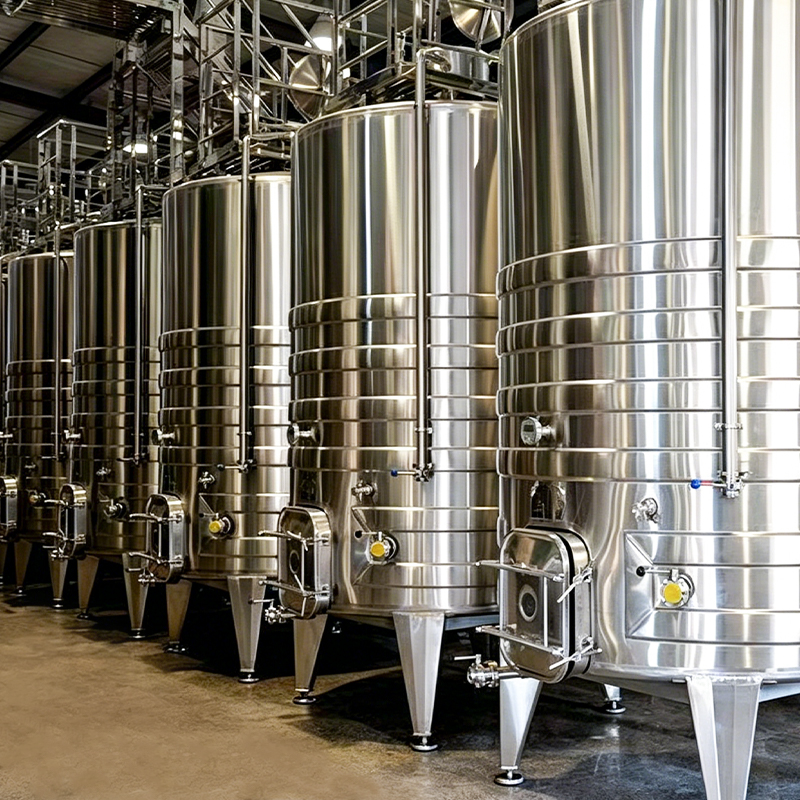
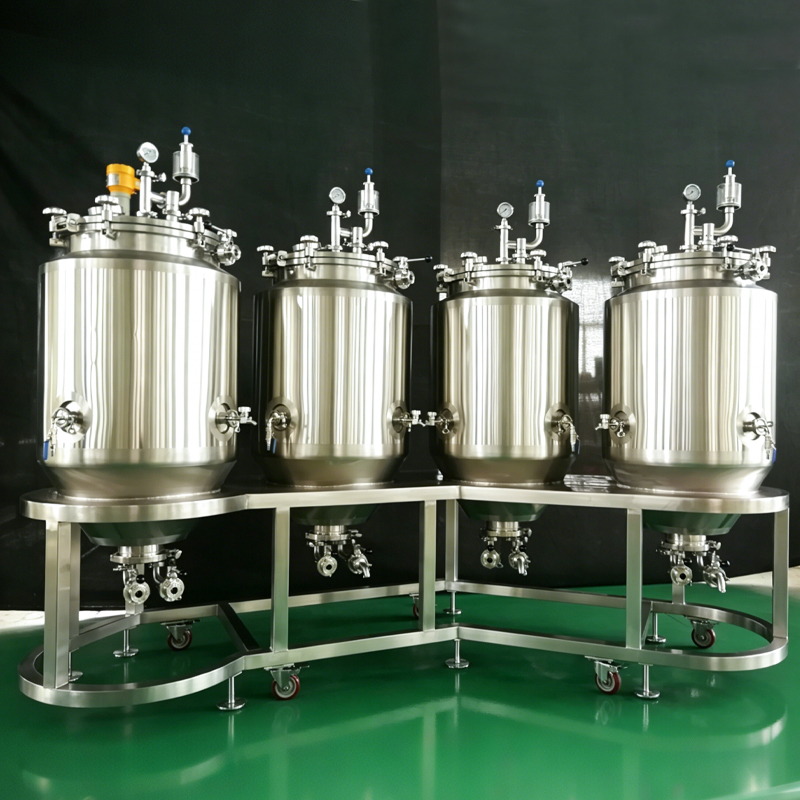
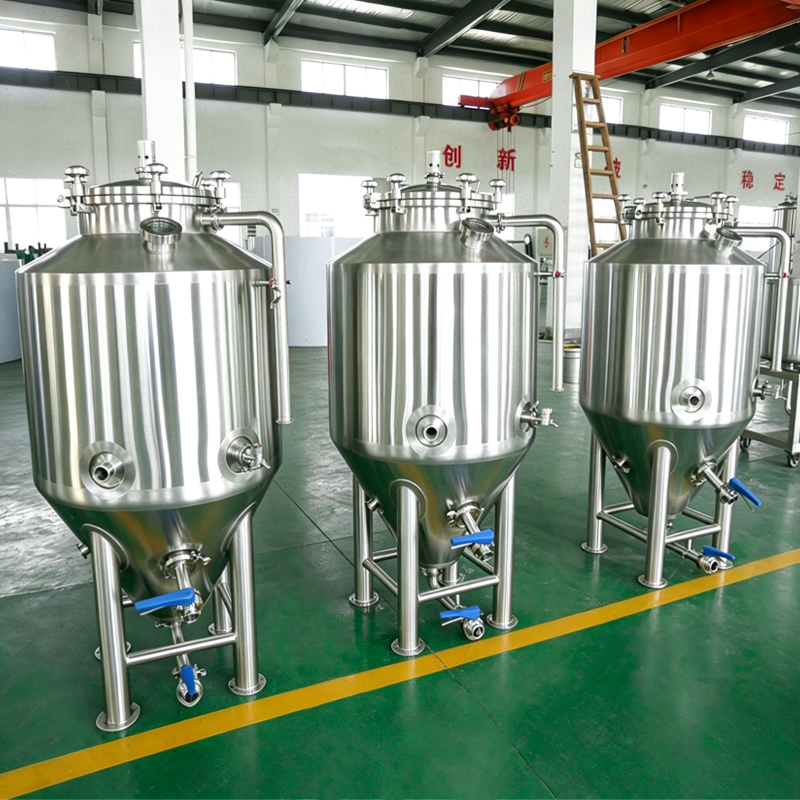
A Wine Fermentation Tank is soitheach séalaithe é a úsáidtear chun fíonchaora brúite nó úrfhíon fíonchaor a shealbhú agus athraíonn giosta siúcraí nádúrtha go alcól agus dé-ocsaíd charbóin. Most modern wineries rely on a Stainless Steel Fermentation Tank for this process because the material is non-reactive, easy to sanitize, and holds up to repeated cleaning cycles between vintages without imparting off-flavors to the wine.
Tá an dearadh croí-soithigh céanna oiriúnaithe go forleathan do dheochanna eile: a Cider Fermentation Tank Leanann próiseas beagnach mar an gcéanna ag baint úsáide as sú úll in ionad úrfhíon fíonchaor, agus an chatagóir níos leithne de Yeast Fermentation Tank cumhdaíonn trealamh aon soitheach ina dtarlaíonn coipeadh giosta-tiomáinte, lena n-áirítear beoir, meá, agus deochanna alcólacha eile atá bunaithe ar thorthaí.
Buntáistí Buntáistí Umair Coipeadh Cruach Dhosmálta
Choosing a stainless steel vessel over older materials such as wood or concrete offers clear production benefits across wine, cider, and general yeast fermentation.
- Non-porous, sanitary surface — cuireann cruach dhosmálta i gcoinne coilíniú baictéarach i bhfad níos éifeachtaí ná adhmad nó coincréit neamhlíne
- Rialú teochta beacht trí fhuarú jacketed, rud atá ríthábhachtach chun aramatacha íogair a chaomhnú i bhfíon bán agus i gcoipeadh leann úll
- Torthaí baisce comhsheasmhach, toisc nach n-ionsúnn nó nach scaoileann an t-umar comhdhúile blas ar an mbealach is féidir le hábhair scagach
- Saol seirbhíse fada le cothabháil íosta, resistant creimeadh ó úra aigéadach, sú, nó timthriallta nigh
- Comhoiriúnacht le glanadh CIP uathoibrithe, ag laghdú am saothair idir baisceanna coipeadh
Mar a Oibríonn Umair Choipeadh Trasna Fíona, Leann úll, agus Táirgí Giosta-Bhunaithe
Regardless of the specific beverage, a fermentation tank follows the same general sequence: must, juice, or wort is loaded into the vessel, yeast is added or naturally present, and the tank is sealed with a one-way airlock or pressure valve that allows CO2 to escape while preventing outside air and contaminants from entering.
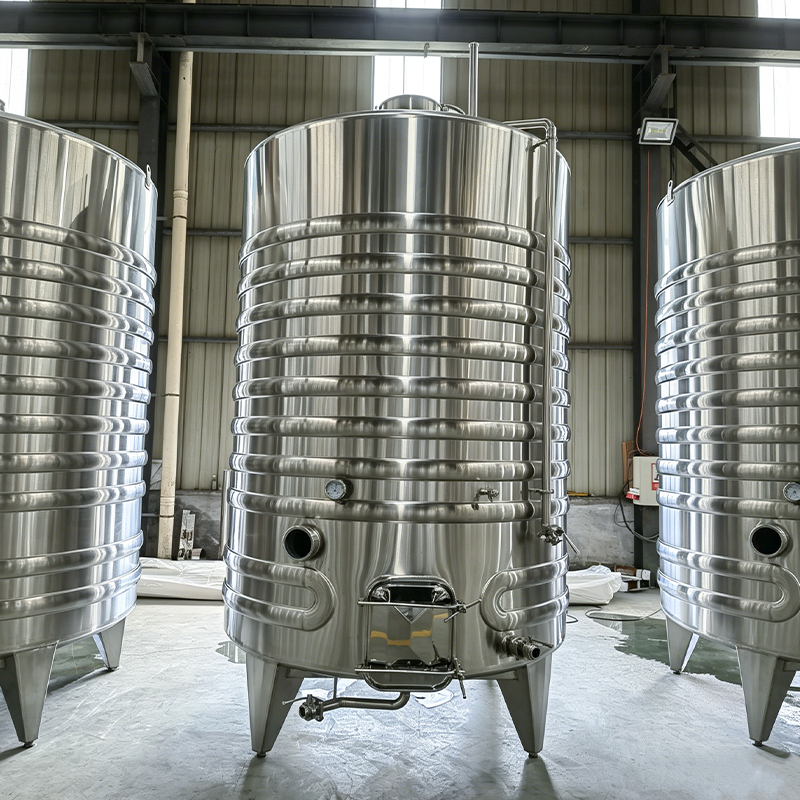
A wine fermentation tank often includes a wide top opening and internal cap management features, since grape skins and solids tend to float to the surface and need to be punched down or pumped over during red wine fermentation. A cider fermentation tank typically requires less cap management since apple juice ferments as a clearer liquid, but temperature control remains equally important for preserving fruit character.
Teocht agus Rialú Brú Le linn Coipeadh
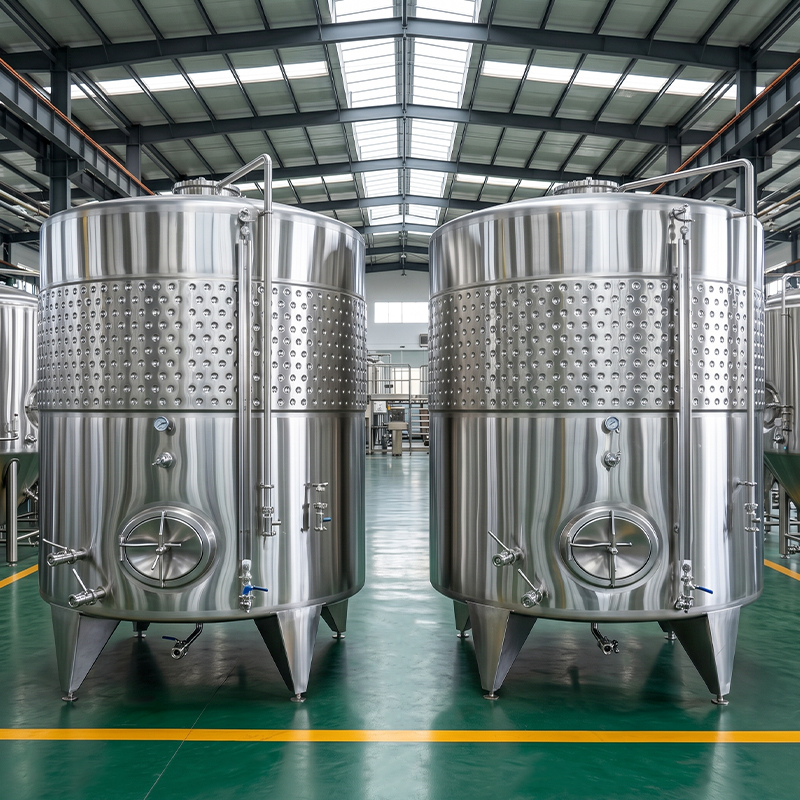
Glycol jacketing on the tank's cylindrical body and cone allows operators to hold fermentation temperature within a narrow target range — commonly 15–22°C for red wine and slightly cooler for whites and ciders — since tá gníomhaíocht giosta agus coinneáil cumaisc aramatacha ag brath go mór ar theocht . Ligeann umair rátáilte brú freisin do charbónú nádúrtha a choinneáil i dtáirgeadh fíona súilíneach nó leann úll.
Comparáid a dhéanamh idir Gnéithe Umar Trasna Cineálacha Coipeadh
Cé go bhfuil dearadh an chroí-soithigh cosúil leis, cuireann fíon, leann úll agus coipeadh giosta ginearálta éilimh éagsúla ar ghnéithe umar. The table below summarizes common differences.
Comparáid gné ghinearálta idir umair fíona, leann úll, agus giosta ginearálta | Fermentation Type | Key Tank Feature | Typical Temperature Range |
| Red wine | Wide top opening for cap management | 20–28°C |
| White wine | Multi-zone glycol jacket | 12–18°C |
| Cider | Sealed vessel with pressure relief valve | 10–18°C |
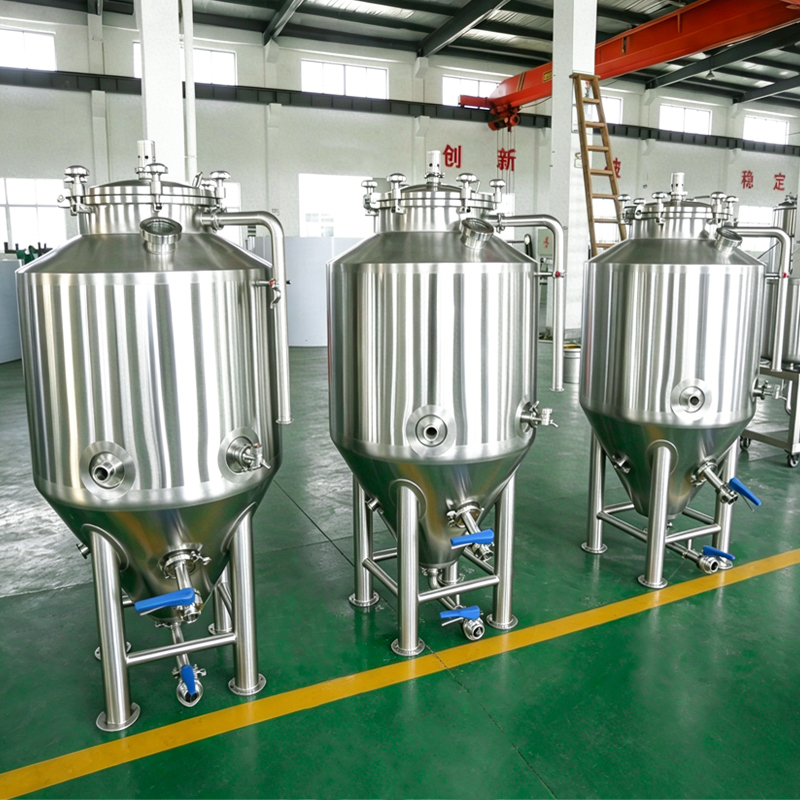
| General yeast fermentation | Cone bottom for yeast harvesting | Varies by product and yeast strain |
Feidhmchláir Tionscail agus Saineolas Déantúsaíochta
Stainless steel fermentation tanks form the core of production at wineries, cideries, and craft beverage facilities of all sizes, supporting everything from small-batch artisanal production to large commercial fermentation runs. The same fundamental tank design adapts across wine, cider, and other yeast-driven beverages simply by adjusting jacket zoning, cap management features, and pressure rating to match the product.
Mar mhonaróir OEM/ODM atá bunaithe sa tSín ar threalamh próiseas sreabhán agus grúdlann le over 20 years of industry experience , YME Equipment Co., Ltd designs and manufactures wine fermentation tanks, cider fermentation tanks, and general yeast fermentation tanks as part of complete brewhouse and fermentation system solutions. YME's designers, engineers, and production staff continuously undergo advanced training to stay current with fermentation process trends, allowing the company to tailor tank features to projects of varying size and complexity. YME's stainless steel equipment has been exported to customers across Europe, North America, Australia, and Asia, supported by long-term partnerships built on consistent product quality and precise, tailored engineering.
Ceisteanna Coitianta
C1: An féidir an umar céanna a úsáid le haghaidh coipeadh fíona agus leann úll araon?
Yes, with proper cleaning between batches, a stainless steel fermentation tank can be used for either product, though tanks with wider top openings are better suited to red wine's cap management needs.
C2: Cén fáth gur fearr cruach dhosmálta ná adhmad nó coincréit le haghaidh coipeadh?
Stainless steel is non-porous and easier to sanitize thoroughly between batches, reducing the risk of bacterial contamination and unwanted flavor carryover that porous materials can introduce.
C3: An bhfuil an bun cón céanna ag teastáil ó umar coipthe leann úll mar choiptheoir beoir?
A cone bottom is helpful for yeast harvesting in any yeast fermentation tank, including cider, though the angle and size may be adjusted based on the clarity and sediment characteristics of the juice being fermented.
C4: Cé chomh tábhachtach is atá rialú teochta do cháilíocht fíona agus leann úll?
Very important — fermentation temperature directly affects yeast activity and how well delicate aromatic compounds are preserved, which is why jacketed temperature control is standard on most modern fermentation tanks.